Maxum® XTR
Concentric Gear Reducer
Effective reducer for high output torque and reliable performance
The Maxum® XTR reducer is a power-dense, high-torque speed reducer designed for reliable performance. It provides a solution for quick installation while minimizing downtime, and the harsh-duty features allow it to excel in all environments.
This reducer offers increased HP and torque ratings and is a drop-in replacement for competitive concentric reducers. Designed to meet or exceed AGMA standards, this compact reducer’s proven reliability includes a longer bearing life than the competition.
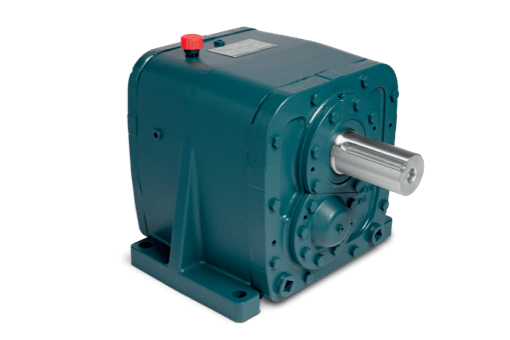
Key features and benefits
- Supports drive packages up to 660,000 in-lbs of torque
- Multiple mounting configurations and sizes available to support up to 1,166 horsepower
- Purgeable seal system is standard
- 100 percent factory performance tested for longer service life
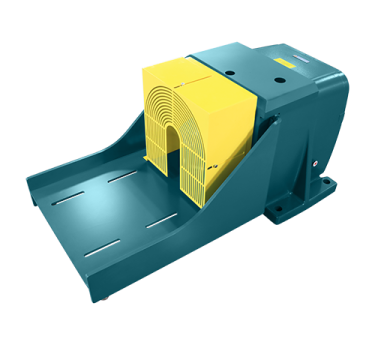
Maxum XTR scoop mount kits
Maxum XTR scoop mount kits are built to streamline installation and improve equipment uptime. The adjustable motor compatibility supports a range of NEMA and IEC motor frame sizes, allowing you to standardize motors used across applications. Its multi-position coupling housing provides flexibility when installing in tight spaces by allowing the coupling to be aligned without repositioning the gearbox or motor, making installation easier and helping maintain proper alignment.
Frequently asked questions (FAQs)
How do I replace another manufacturer's gearbox with Maxum XTR?
Maxum XTR gear reducers are designed to support another manufacturer’s replacements and are often installed without changes to existing equipment. During a replacement, mounting accessories such as scoop mounts, belt guards, and related hardware should be replaced with approved Maxum XTR components to ensure proper fit, alignment, and safe operation.
In some applications, differences in shaft diameter or mounting footprint may require adapter plates or alternate hardware. Maxum XTR supports both direct drop-in replacements and downsizing opportunities when application conditions allow, helping improve efficiency and overall system performance.
Can I reuse existing competitive or legacy accessories with Maxum XTR?
No. When upgrading to Maxum XTR, existing accessories—such as scoops, belt guards, and couplings—must be replaced with our current components. These components are engineered as a matched system to support proper alignment, guarding, and long-term reliability.
Using accessories not designed for the Maxum XTR can introduce misalignment, vibration, or premature wear. Complete Maxum XTR drive packages are available to simplify conversions and ensure compatibility across all components.
Do Maxum XTR reducers require oil changes?
Yes. Maxum XTR reducers are shipped without oil and must be filled with the appropriate lubricant before first startup.
For initial setup and ongoing maintenance, lubricant grade, oil volume, and service intervals depend on mounting position, operating conditions, and ambient temperature.
The installation and lubrication manual defines approved lubricant grades, fill quantities, and oil change intervals for each catalog-approved mounting position.
Oil level should be verified after initial operation and after any mounting position change. Installations outside the mounting positions shown in the manual require evaluation of oil level and lubrication method; contact Dodge Application Engineering at +1 864 284 5700 for guidance.
Where can I find CAD models and interchange data for Maxum XTR?
2D and 3D CAD models for Maxum XTR are available in multiple formats through the Dodge CAD portal. These resources support both new installations and competitive replacements by allowing users to verify dimensions and interfaces.
If assistance is needed to locate a model or confirm interchange details, a Dodge sales representative can help review the application.
What does overhung load mean, and how does sprocket diameter affect it?
Overhung load refers to the force exerted on a gearbox shaft by mounted components such as sprockets, pulleys, or gears. Smaller sprocket diameters increase overhung load, because they apply the radial force closer to the shaft’s centerline. Larger sprocket diameters reduce overhung load by spreading force over a wider radius, helping protect shaft bearings and extend service life.
Resources


Product Search
Access from US
Access from Canada
Access from Mexico
Access Globally
